


Mastering movement in Arc Raiders is a distinct progression path, separate from pure aim or tactical knowledge. It emphasizes fluidity, unpredictability, and intelligent positioning, turning your character into a difficult target while maximizing your own combat advantage. For players aiming to outplay opponents, minimize incoming damage, and consistently win engagements, understanding and applying core movement fundamentals forms a reliable and repeatable framework for high-level play.
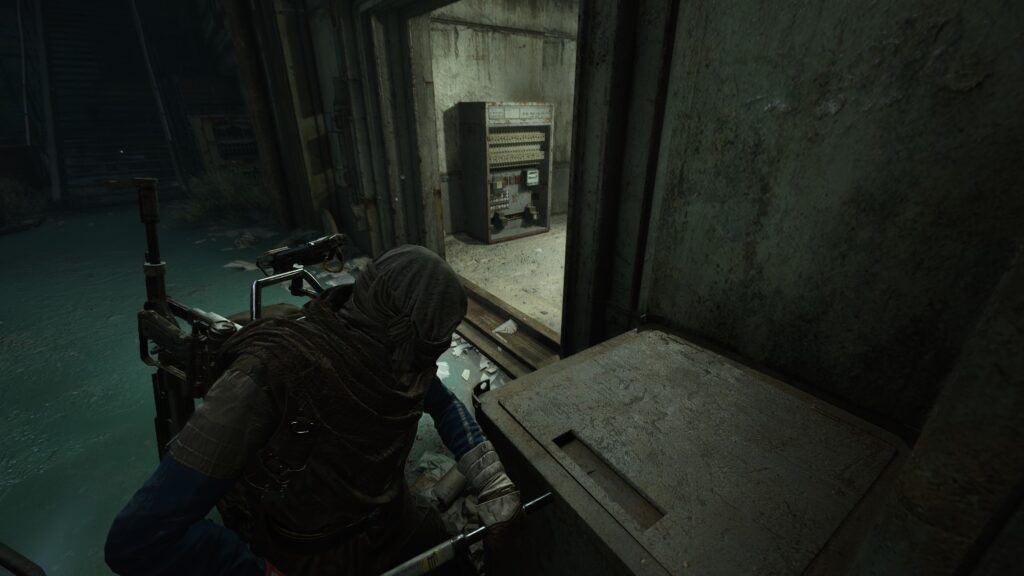
This guide examines how to approach movement efficiency, focusing on the techniques of peeking, tactical repositioning, and using movement to reset engagements. It aims to build a proactive, dynamic movement style that consistently gives you an edge in the chaotic Exclusion Zone.
Understanding the Dynamic Role of Movement in Combat
Movement in Arc Raiders is not merely about traversing the map; it is a critical combat tool. Static players are easy targets, while those who move intelligently force opponents to constantly adjust their aim, creating opportunities for counterplay. Effective movement reduces the damage you take, opens up new angles for attack, and allows you to dictate the pace of an engagement. It’s a deterministic skill that rewards intentional practice.
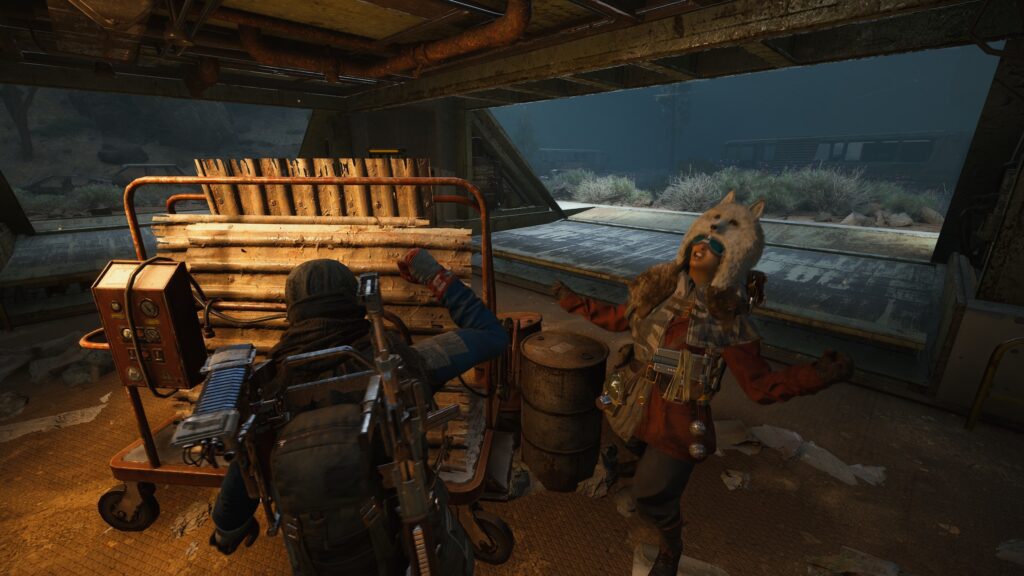
The structure of advanced movement encourages efficiency through disciplined execution. Mastery is achieved by minimizing predictability, maximizing evasiveness, and executing precise maneuvers, turning a basic mechanic into a powerful combat advantage.
Peek: The Art of Controlled Exposure
Peeking is the act of briefly exposing yourself from cover to gain information or fire, then quickly returning to safety. Done correctly, it minimizes your time as a vulnerable target.
- Standard Peek: This is simply moving out from cover, firing, and moving back in. Practice keeping your crosshair pre-aimed at where you expect an enemy to be before you peek.
- Shoulder Peek (Jiggle Peek): Quickly tapping A or D (or corresponding stick movement) to briefly expose only a small portion of your body, usually just enough to bait a shot or gather information without committing. This is excellent for checking corners or drawing fire safely.
- Wide Peek (Power Peek): Exposing a larger portion of your body, or even strafing out significantly, to surprise an opponent or quickly overwhelm them with sustained fire. This is riskier and should only be used when you have a clear advantage or are committed to an aggressive push.
- Crouch Peek: Peeking while crouching changes your head height, making it harder for opponents to pre-aim. Combine with a lean (if available) for even greater unpredictability.
- Purpose: Minimizes exposure time, gathers information safely, and baits enemy shots, allowing you to react from cover.
Reposition: Dictating the Flow of Battle
Repositioning is moving to a new, advantageous location during or between engagements. It’s about denying enemies their advantage and creating new ones for yourself.
- Angle Holds: If an enemy knows your position, move slightly to a different angle on the same piece of cover. This forces them to re-adjust their aim and often exposes them.
- Flanking: During a fight, if cover allows, move to the side to catch an enemy from an unexpected angle. This is incredibly powerful, especially in team play where one person can draw fire.
- Vertical Movement: Utilize verticality whenever possible. Moving to high ground provides sightlines and makes you harder to hit. Dropping down can break line of sight and create escape routes.
- Breaking Line of Sight (LOS): If you’re taking heavy damage, your first priority is to break LOS by moving behind solid cover. This is not retreating, but buying time to heal and re-engage.
- Purpose: To constantly shift the advantage in your favor, prevent enemies from locking down your position, and create unpredictable attack vectors.
Reset: Regaining Control of the Engagement
Resetting refers to using movement to disengage from a losing fight, heal, reload, or create distance, effectively starting a new engagement on more favorable terms.
- Combat Roll/Slide: Utilize any available dodge mechanics to quickly break enemy line of sight and create space. Practice combining this with immediately seeking hard cover.
- Sprint to Cover: If you’re low on health or ammo, sprint directly to the nearest piece of hard cover. Avoid sprinting in open areas unless absolutely necessary.
- Use Utility for Disengagement: Smoke grenades are invaluable for creating visual cover, allowing you to break line of sight and reposition safely. Stun grenades can buy you precious seconds to escape.
- High Ground Retreat: If on high ground, dropping off a ledge can be a quick way to disengage and break chase, forcing enemies to find an alternate route.
- Re-engage on Your Terms: Once you’ve reset (healed, reloaded, found better cover), you can choose to re-engage the fight from a position of strength, or disengage completely if the situation is still unfavorable.
- Purpose: To survive unfavorable engagements, restore your health/resources, and re-enter the fight (or disengage completely) with a tactical advantage.
Integrating Movement into Your Arc Raiders Playstyle
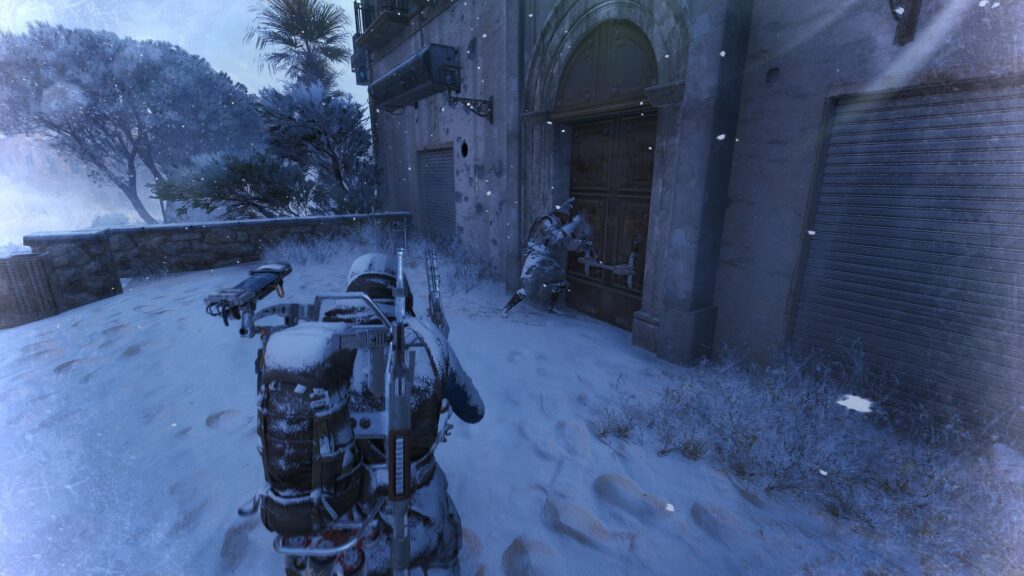
Mastering these movement fundamentals requires consistent, intentional practice. They should become second nature, ingrained into your muscle memory.
- Conscious Practice: In every fight, actively think about how you are peeking, repositioning, and when you should reset.
- Watch Pros: Observe how high-level players utilize movement. Pay attention to their specific peeking techniques and repositioning during gunfights.
- Analyze Your Deaths: After dying, ask yourself: “Could better movement have saved me?” “Did I expose myself unnecessarily?” “Did I try to reset when I should have?”
- Custom Game Drills: Use training ranges or custom games to practice peeking corners and quickly moving to new cover without an immediate threat.
Conclusion: Movement as a Foundational Skill for Survival
Mastering movement fundamentals in Arc Raiders rewards consistency, intentional practice, and a proactive mindset. By expertly applying the techniques of peeking, strategic repositioning, and tactical resetting, players can significantly enhance their survivability and combat effectiveness.
When integrated into your playstyle, intelligent movement becomes less of a conscious effort and more of an intuitive response. It transforms you into a much harder target to hit, allows you to control the flow of engagements, and consistently positions you for success, turning basic character control into a foundational skill for outplaying opponents and winning more fights like a true professional in the Exclusion Zone.

Leave a Reply