


Mastering door discipline in Arc Raiders is a distinct tactical progression path that governs the flow of urban and industrial combat. In the Exclusion Zone, a door is more than an entry point; it is a controllable line of sight and a psychological barrier. For players aiming to dictate the pace of a building engagement, establishing rigorous door protocols forms a reliable framework for mastery. It is about understanding that a door is a tool for information control, not just a gateway to loot.
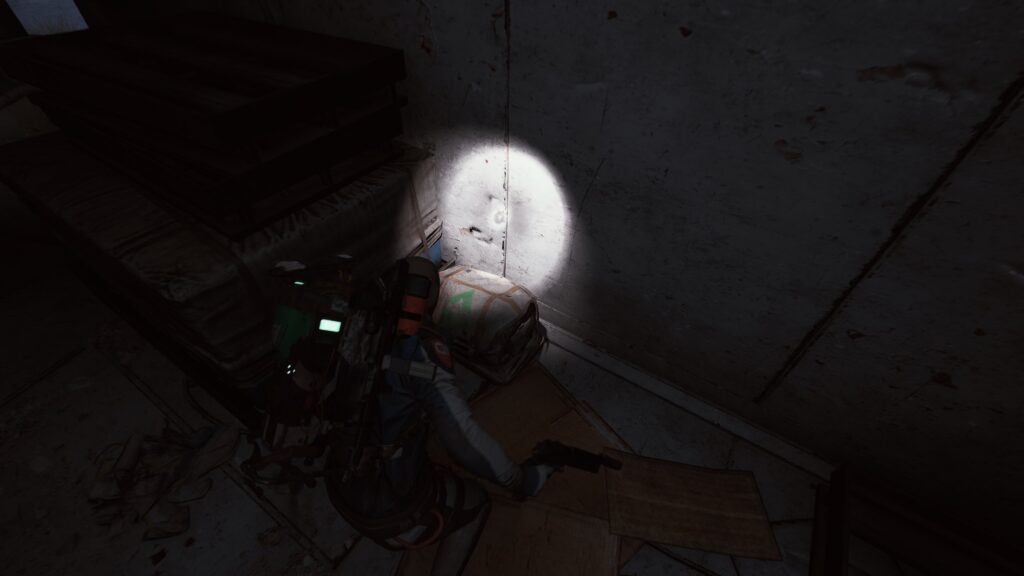
This guide examines how to approach door interactions efficiently, focusing on the “latch-peek” technique, the defensive hold, and the strategic decision to break contact when a breach becomes too high-risk.
The Logic of Threshold Control
A door represents the ultimate “choke point” in Arc Raiders. Because it is a narrow, predictable opening, the person holding the door usually has the deterministic advantage. Door discipline is the act of managing this advantage through careful timing and positioning. If you open a door carelessly, you are giving the enemy a free shot; if you hold it correctly, you force the enemy to commit to a dangerous push. You must treat every door as a potential “kill zone” that requires a specific status check before interaction.
Control is about denying the enemy information. By keeping doors closed, you force opponents to use utility or make noise to proceed, providing you with early warning. Conversely, by controlling the state of a door during a fight—opening it to take a shot and closing it to reload—you create a “manual shield” that allows you to reset in safety. Mastery of this cycle turns every interior space into a fortress under your command.
Core Tactics: The Quick-Peek and the Latch-Close
To interact with doors without becoming a stationary target, you must utilize these mechanical habits:
- The Interaction Dash: Do not stand directly in front of the door while opening it. Press the interact key from the side of the frame and immediately move back or across. This prevents “pre-fire” from hitting you the moment the door swings.
- The Latch-Close Reset: If you are being chased, closing a door behind you provides a critical two-second delay. This is enough time to reload or start a heal. Use this “micro-break” to transform a retreat into a counter-ambush.
- The Decoy Open: Interact with a door and immediately retreat or jump. Defenders often dump half a magazine into the empty space the moment the door moves, leaving them vulnerable during their reload.
The Defensive Hold: Using Doors as Bait
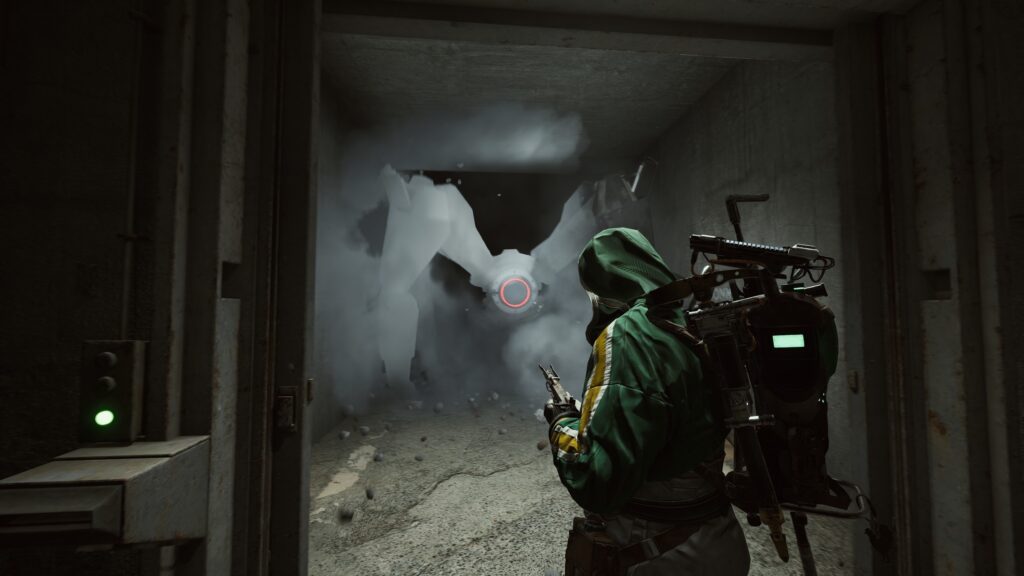
In a defensive scenario, a closed door is your best bait. Position yourself at an off-angle to the door, rather than directly opposite it. When an enemy opens the door, they will instinctively look toward the center of the room. By standing in the “blind corner” near the hinges, you gain a massive reaction-time advantage. This is particularly effective against aggressive squads who believe their numbers allow them to breach with impunity. You aren’t just holding a room; you are managing the enemy’s entry speed.
If you see a door start to open, do not immediately fire. Wait until the enemy has committed their body to the threshold. If you fire too early, they may simply back out and use a grenade. By waiting for the “point of no return,” you ensure the kill. This level of patience is the hallmark of a veteran Anchor who understands that the door is a trap designed to be sprung at the moment of maximum vulnerability. Control the threshold, and you control the outcome of the entire floor.
When to Break Contact: The Logic of the Abandoned Breach
The most important part of door discipline is knowing when to walk away. If you find a door that is being actively “held” by an enemy with superior positioning or a shotgun, do not try to force the entry. This is a “dead-end” engagement. Breaking contact means closing the door and finding an alternative entry point—a window, a skylight, or a different floor. Many raiders lose their lives trying to “win” a door fight that was never in their favor.
Breaking contact is an admission that the current geometry favors the defender. By rotating to a different angle, you reset the information balance. The defender who was looking at the door is now vulnerable to a flank from behind or above. Integrating this “exit logic” into your routine ensures that you never waste your life on a coin-flip breach. A disciplined raider knows that the best way to open a door is sometimes to ignore it and find a better way in.
Conclusion: The Gatekeeper’s Advantage
Door discipline rewards the patient and the tactical. By treating every threshold as a manageable variable, you transform urban combat into a series of controlled checks. Integrating these habits into your daily routine ensures that you are always the one dictating the flow of indoor fights, providing a consistent path to survival through superior threshold mastery.

Leave a Reply